

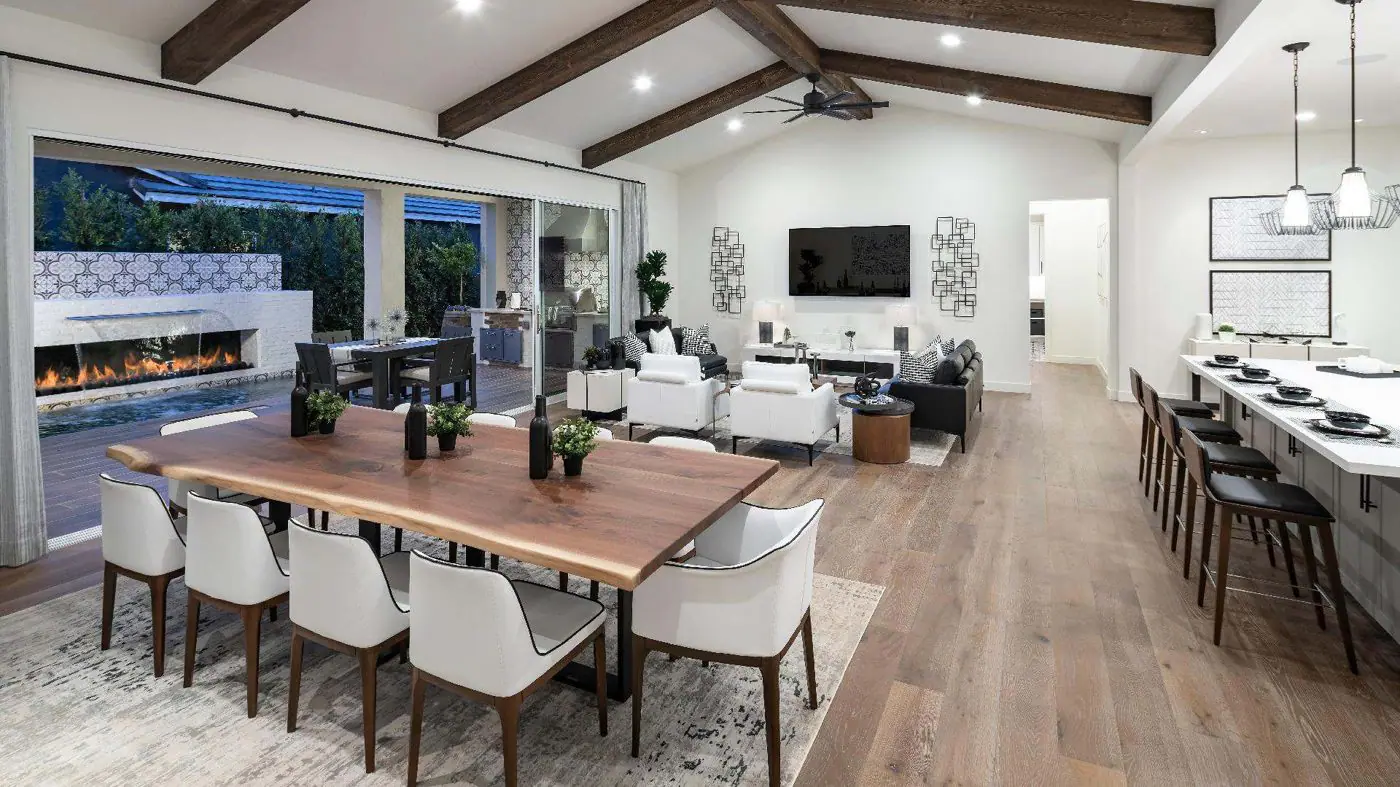
New Construction Guide
Deciding between a new build and a resale home takes the right questions. Deah’s guide covers homesites, builders, funding, customizing and closing.
A Comprehensive Guide
Buying New Construction
Buying or building a new home is exciting and comes with a lot of questions. This guide gives you a framework to decide whether to buy a newly built home or build with a contractor.
Deah’s goal is to keep you confident and informed at every step.
Is New Construction for You
Three Questions to Ask First
How soon do you need to move
If you need to move into something new quickly, new construction may not be the best option.
Do you enjoy home projects
If the answer is no, new construction can be a good fit. Everything is new, the choices are yours and a warranty covers big items.
Are you looking for something specific
If yes, new construction may be a great option. You can build to your needs, especially if you find land where you want to live.
Weigh It Out
The Pros and the Cons
The Pros
- You may get to customize finishes, fixtures and appliances
- Everything works, so your money goes to furnishing instead of repairs
- The latest tech such as security, audio, lighting and smart thermostats
- Big ticket items like the roof, appliances and HVAC are under warranty
- Better energy efficiency than homes built decades ago
The Cons
- You may not get the options you hoped for and upgrades are expensive
- Landscaping is immature, so shade takes time
- The price is usually not negotiable
- You must follow builder deed restrictions and likely an HOA
The Construction Process
Four Phases, Start to Finish
Is New Construction for You
- Questions to consider and a pros and cons list.
Your Site and Builder
- Choose your homesite, choose your builder and ask the right questions.
Funding and Getting Started
- Pre approval or proof of funds, the builder contract and your finishes.
Prepare to Close
- Walk throughs, an optional inspection, the punch list and closing day.
Decide on Your Homesite
Three Ways to Build
Spec Homes
The builder buys a single lot and builds without a buyer in mind, then lists it. The home is usually finished or nearly finished, so changes are rare.
Tract Homes
A builder constructs many homes in a development in phases from set floor plans. Buying before completion may let you make changes within budget or for an upgrade fee.
Custom Homes
You buy land and hire a builder to build what you choose. You pick the floor plan or have an architect draw one, and you choose the features.
Considerations With Your Builder
Choose a Builder You Trust
In a planned development, find out if there is a designated builder or if you can bring your own. If you bring your own, pick a reputable one.
- Confirm there are no complaints registered against the builder
- Ask for references from other homeowners
- Tour a model or recently completed home with someone who can judge workmanship
- Identify your contact person for every step of the build
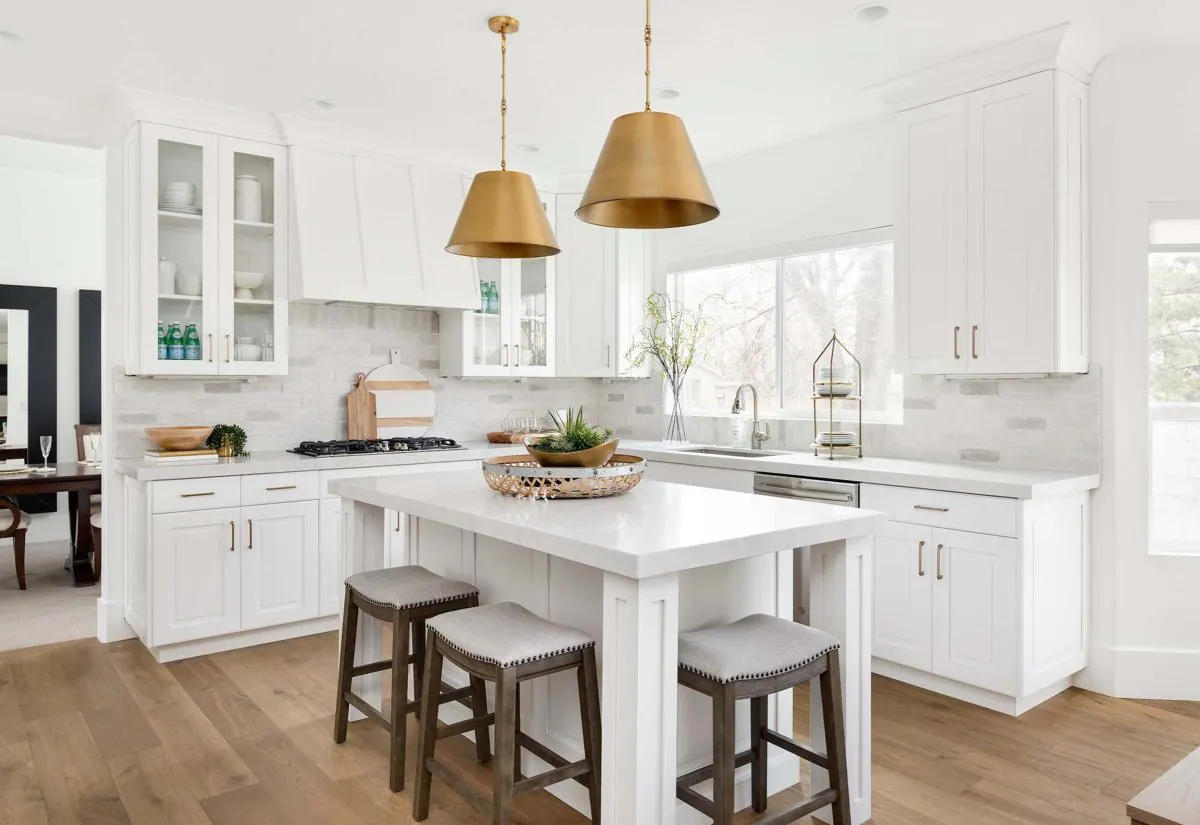
Questions for Your Builder
Ask Before You Sign
Nine Questions to Ask
Are you required to use their preferred lender
Many builders offer closing cost discounts for their preferred lender. Learn if it is a referral or builder owned, and shop around if you are not required to use it.
Can you review a copy of the builder’s sales contract
Builder contracts add terms about contractor payment timing and finish options. Your agent can help you interpret them before you sign.
What is the timeline for completion
Production homes can finish in three to four months, while custom homes usually take at least six. Ask for a timeline for each phase.
Can you choose features outside their package
You may save money buying your own fixtures or appliances. Most builders are flexible if your picks are available and do not change the schedule.
What is included in the landscaping package
Many builders include only the bare minimum. Plan to upgrade or add your own.
Can the builder charge for unexpected cost increases
Look for an escalation clause that lets the builder pass rising material or labor costs to you.
What warranties are provided
Warranties usually run 6 months to 2 years and cover major structure and systems. Appliances, weather damage, settling and lack of maintenance are usually not covered.
What are the deed restrictions, HOA and amenities
Everyone who buys in the development must follow its restrictions. Ask about HOA fees and what they cover.
Can you do a final walk through before closing
There is usually a punch list of items for the builder to finish. Walk the home before you sign closing documents.
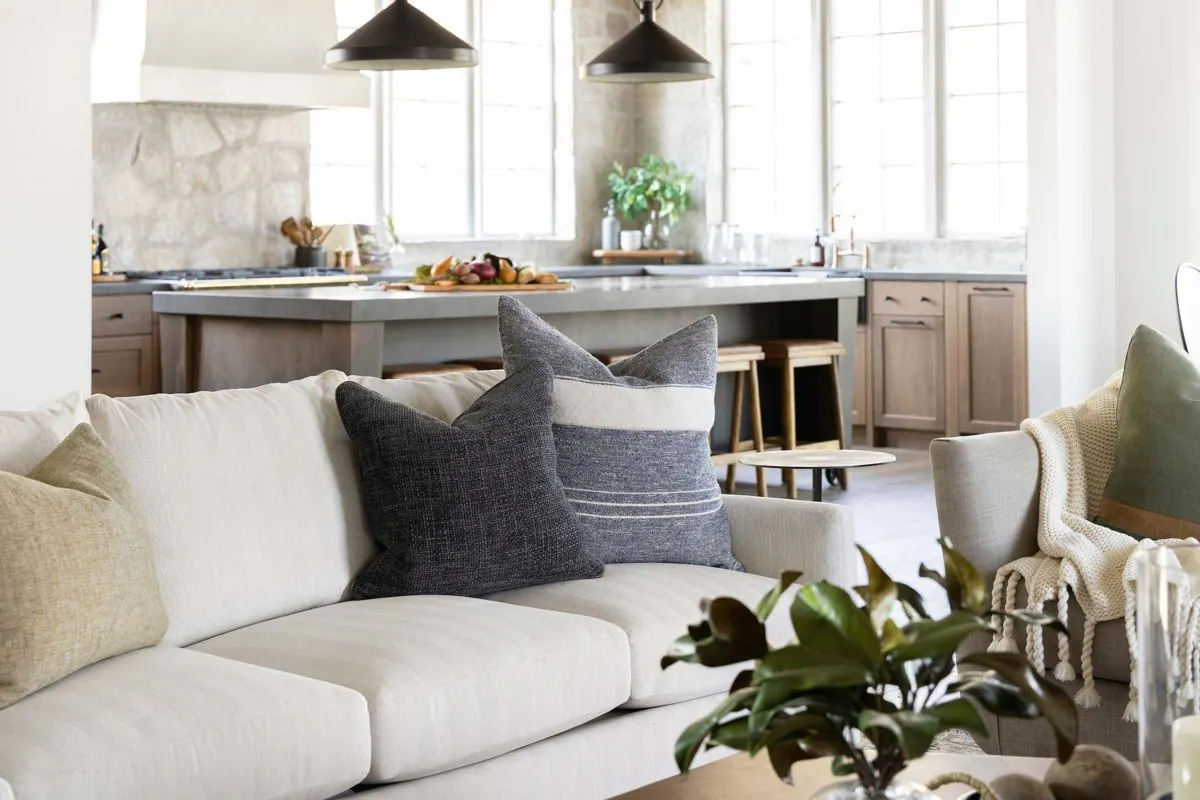
Funding and Customizing
Money and Choices
Get pre approved or show proof of funds whether you use the builder’s lender or your own.
Questions for Lenders
What rate can you offer, is it fixed or adjustable, when can I lock, what fees will I pay, what loan fits me and do I qualify for down payment help.
Planned Development Options
Expect option levels for exterior and interior colors, flooring, cabinetry, countertops, light fixtures, plumbing fixtures, tile, doors, appliances and landscaping.
Custom Build Decisions
You choose everything from floor plan, roof and windows to cabinetry, backsplash, fireplace, patio, driveway and pool.
Stay On Schedule
Your builder usually assigns a project manager who tells you what decisions are coming due. Have your choices ready.
Prepare to Close
Before You Get the Keys
Walk Throughs
Visit several times a week once the home is dried in. Even the best builders have mix ups and installation problems.
Optional Inspection
A new home can still benefit from an inspection, since an inspector may catch what slipped past the contractor and code enforcement.
Closing Day
The builder completes a punch list that may include cleaning, painting, landscaping or changing locks. Walk the house with the builder first.
Meet Some Builders
Let’s Go See New Homes
Search new construction across the West Valley, then bring Deah along from your first visit.
Keep Reading
More Buyer Resources
Free Consultation with Deah
Let’s Talk About Your Home Search
(425) 407-2800, any day 7 am to 7 pm
Tell Deah where you are in the buying process and what you are looking for. She will take it from there.
Call Now(425) 407-2800